
University of Colorado Denver Summer Camp
-
Who is eligible?
Rising high school juniors and seniors and are registered ACE Students interested in Architecture + Design. Must be first time CU Denver Camper (No returning campers) -
What do students do and learn?
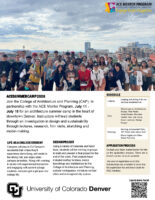
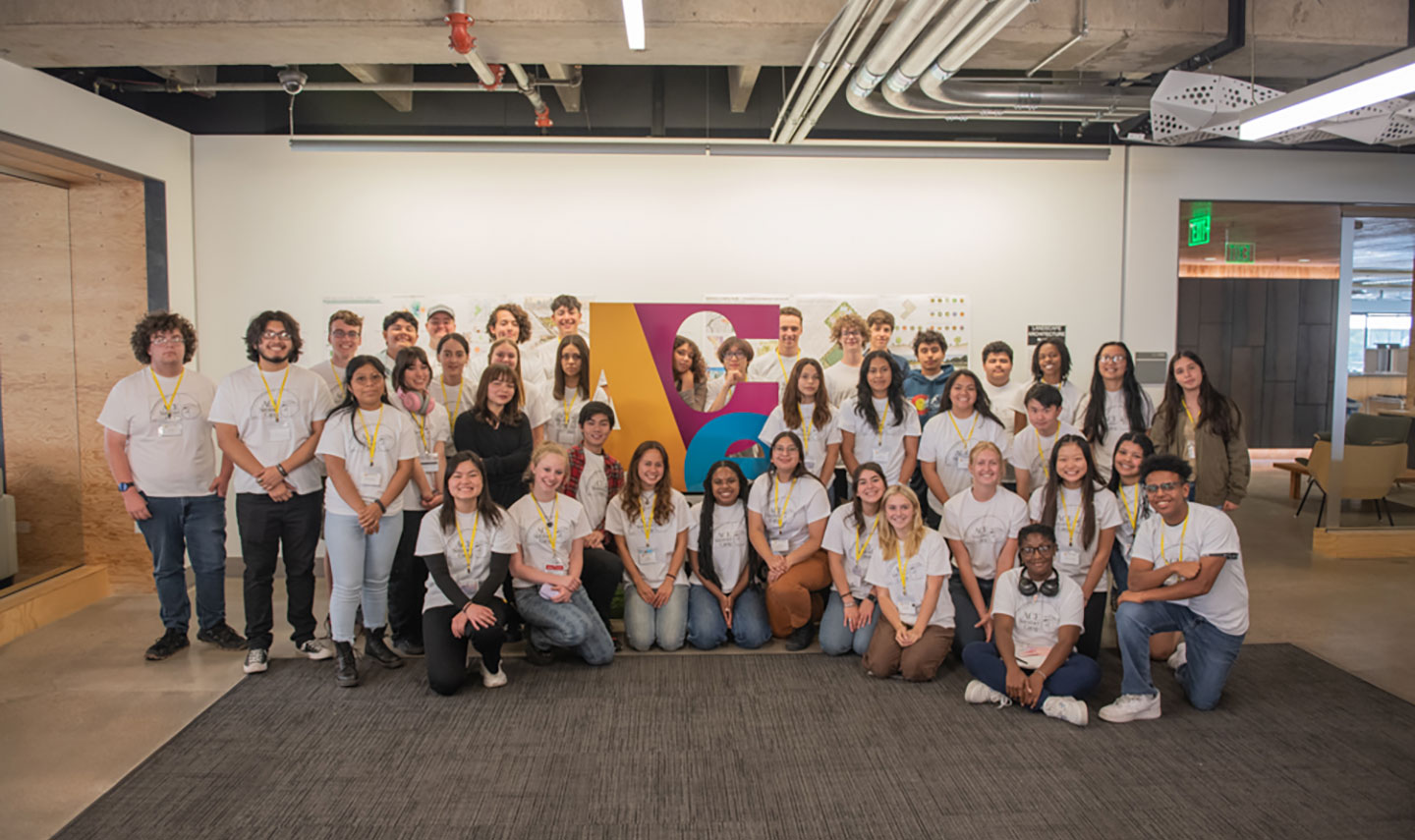
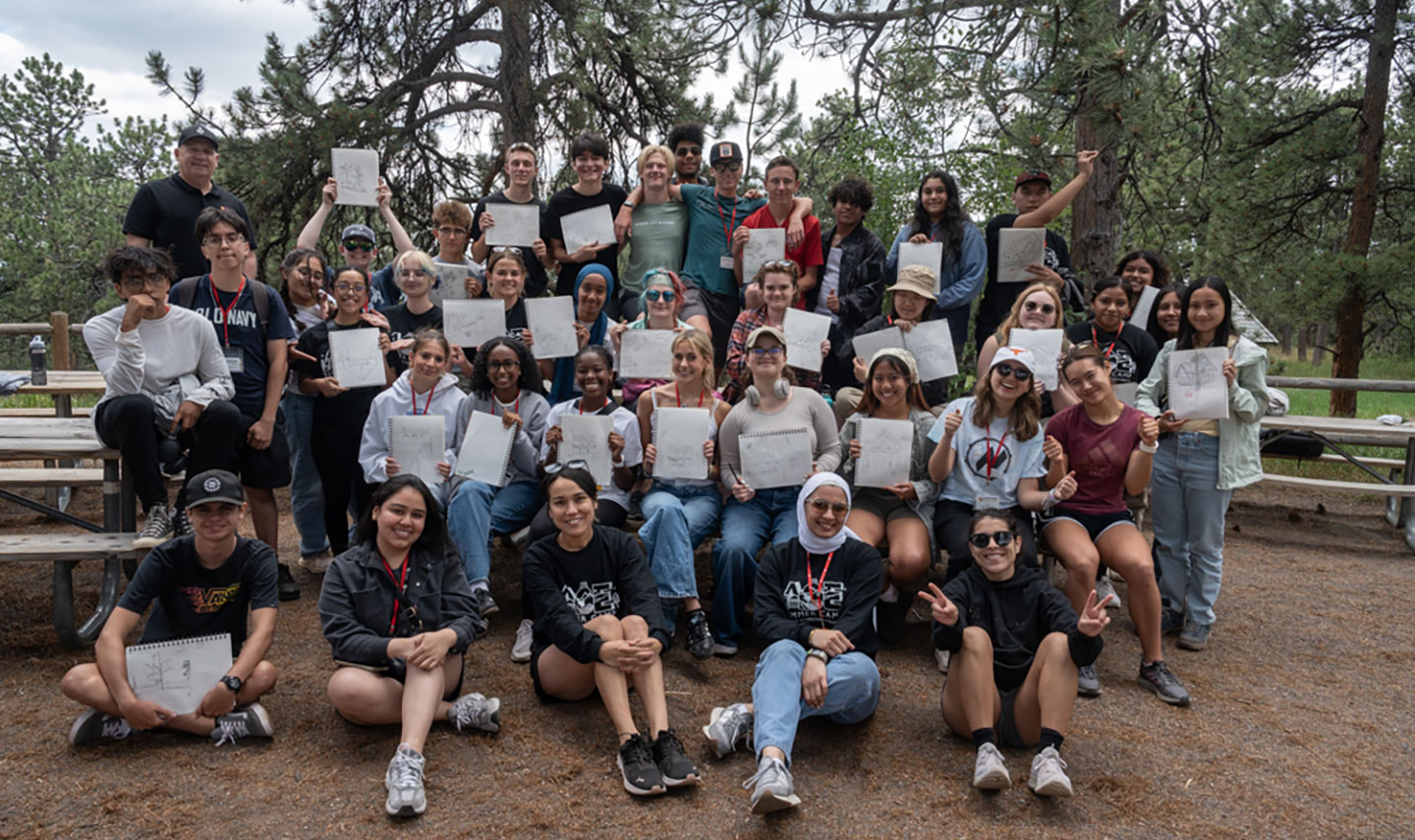
Guided by camp counselors: work on hands-on design projects, learn design thinking, model making, and digital tools, and explore architecture, construction, and planning through studio activities, site visits, and guest speakers. -
When is it held?
Typically one week during the summer (often in July). Please check camp website for latest information. -
Where is it held?
On the University of Colorado Denver campus with College of Architecture and Planning, with some off-campus visits. Students are housed in a residence hall on campus. -
Why attend?
Gain real-world exposure to design careers, experience college-level studio learning, build skills, and connect with peers and professionals.
Students will have the opportunity to participate in a design build project with other students from ACE Mentor affiliates across the US. - Cost?
Approximately $2,000 registration fee. It covers:- Double or triple occupancy room in the City Heights residential hall
- Meals and snacks
- Transportation to and from the airport and to activities
- Instruction of all sessions
- Project materials
- Social activities
- T-shirts and other swag
How Affiliates Support Student Participation
Across ACE, affiliates support student access to camps in a variety of flexible ways. Some help cover a portion, or in some cases the full cost, of camp tuition through local scholarships paid for from unrestricted fundraising. Others provide travel stipends or assistance to help offset transportation and lodging expenses. Additional approaches we’ve seen include using discretionary or program funds, securing a small sponsorship from a local firm, hosting a simple fundraiser, or partnering with schools or community organizations to share costs. These approaches are entirely optional and vary by affiliate, but they offer helpful examples as your affiliate explores how it might support students within your own budget and capacity.