
Student Retention & Engagement
Keeping Students Engaged
Best practices for keeping students engaged requires designing learning experiences that are relevant, interactive, and student centered. Research consistently shows that engagement increases when students understand the purpose of what they are learning, have opportunities to actively participate, and feel connected to their peers and instructors.
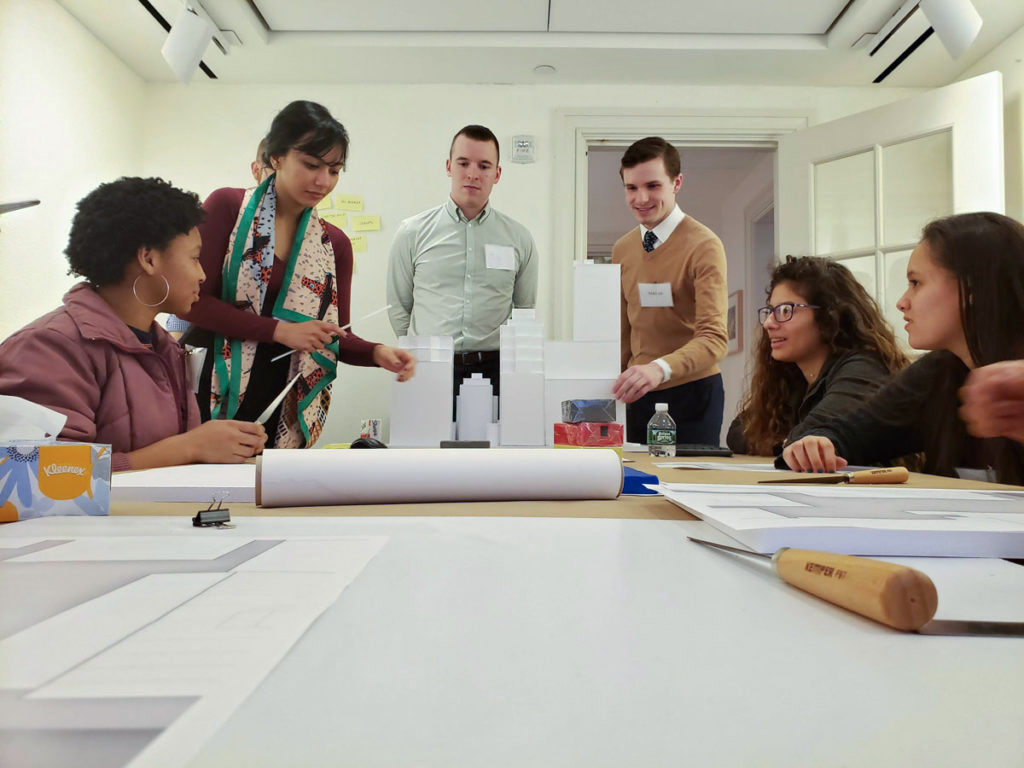
1. Create Meaningful Learning Experiences
✓ Make learning relevant — connect to real-world careers and current industry practices.
✓ Prioritize active learning — use hands-on projects, design challenges, team problem-solving, and field investigations.
✓ Use project-based learning — extended projects encourage students to apply knowledge in meaningful ways.
✓ Incorporate student choice — offer choices in project topics, site locations, team roles, or design solutions.
2. Keep Students Actively Engaged
✓ Keep lessons interactive — break up lectures with activities and discussion.
✓ Vary instructional methods — mix demonstrations, discussions, videos, guest speakers, team projects, and field trips.
✓ Incorporate technology purposefully — use technology to enhance learning rather than distract from it.
3. Build Connection & Belonging
✓ Build strong relationships — positive relationships are one of the strongest predictors of student engagement.
✓ Foster collaboration — develop communication, teamwork, and problem-solving skills.
✓ Create a sense of belonging — establish an inclusive environment where students feel valued and able to contribute.
4. Support Student Growth
✓ Set clear goals and expectations — help students understand what they are learning, why it matters, and what success looks like.
✓ Provide immediate, actionable feedback — focus on strengths, improvement, and clear next steps.
✓ Celebrate progress — recognize skill development, teamwork, creativity, persistence, leadership, and problem-solving.
✓ Encourage reflection — give students opportunities to make sense of their learning and progress.
We all know students will check and respond to a text long before they open an email. The same is true for some mentors and board members (we won’t mention any names). We strongly advise using text platforms that allow for group texting and saving conversations. At no time should a mentor text a student one-on-one.
Some affiliates have found these apps like What’s App, Group Me, or Slack useful.